
Downtown Toms River is changing, and much of that work is centered on a simple idea: give people more reasons to visit, stay, return and support the businesses and organizations that call downtown home.
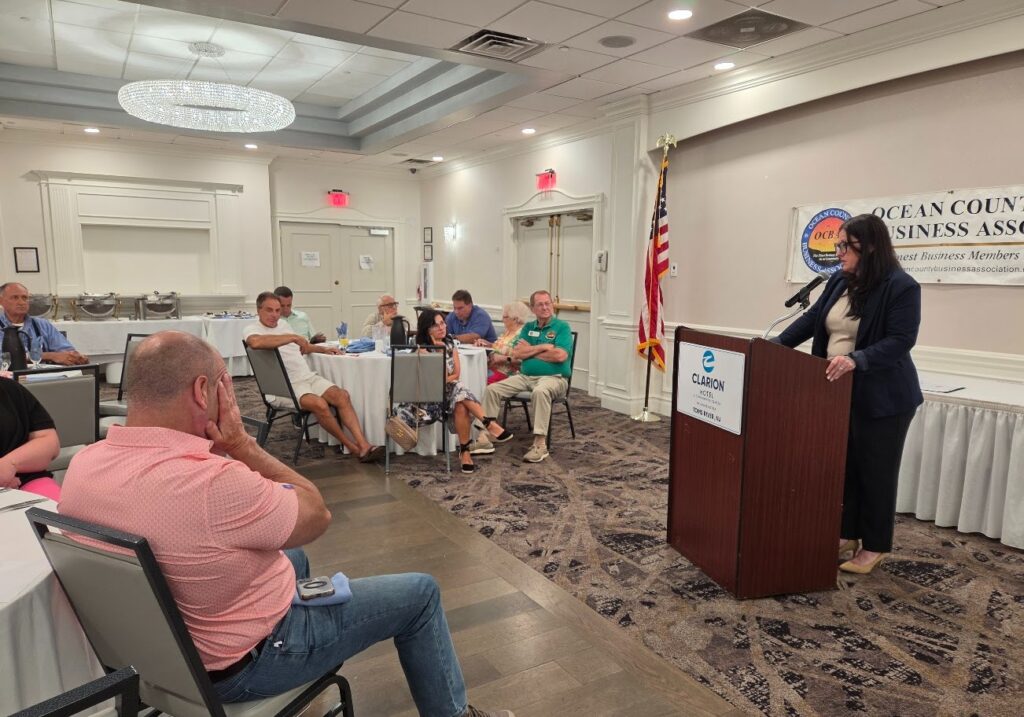
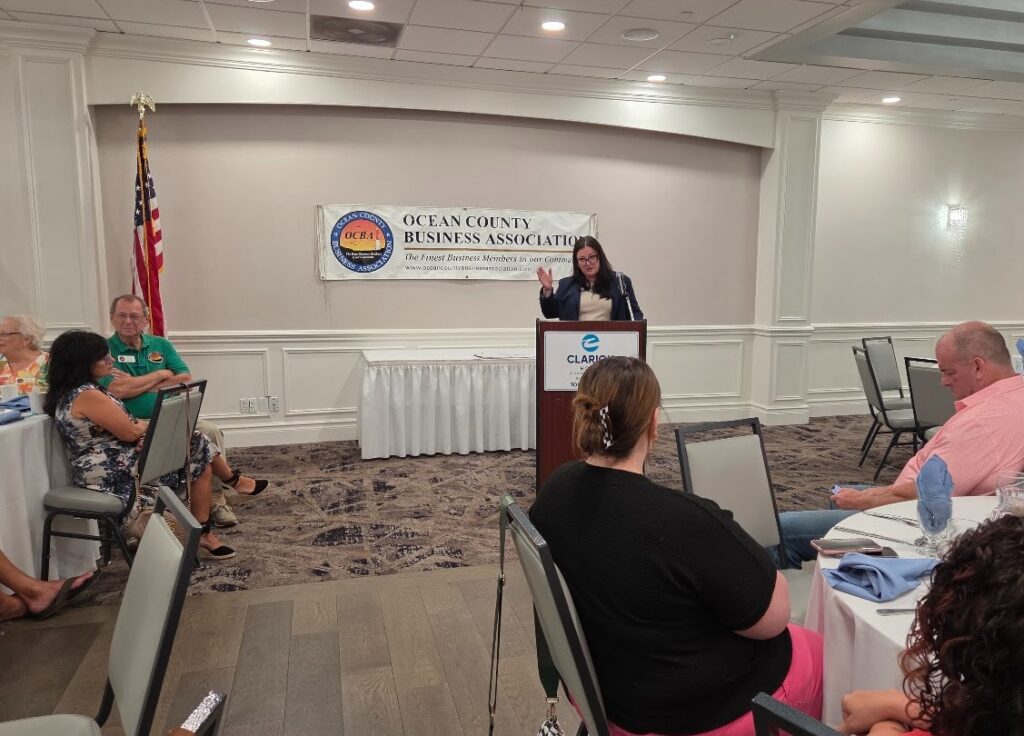
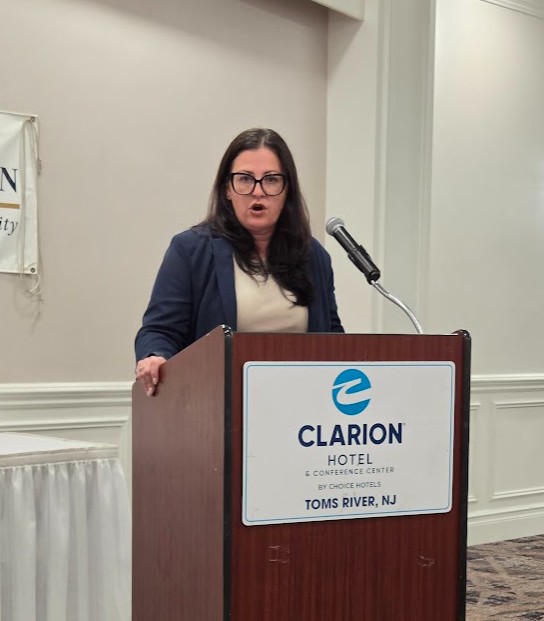
At a recent Ocean County Business Association meeting, guest speaker Melissa “MJ” Fernandez-Torres shared an inside look at that work. As Executive Director of the Toms River Business Improvement District (BID) and President of the Toms River Artist Community (TRAC), MJ has a unique perspective on the connection between economic development, local businesses, events, public spaces and the arts.
Her presentation also offered an important reminder for the wider Ocean County community: a successful downtown doesn’t happen on its own. Businesses, nonprofits, artists, local government, sponsors, volunteers and residents all have a role in creating a place people want to experience.
Creating Reasons to Come Downtown — and Come Back
MJ described the missions of the Toms River BID and TRAC as different on paper but closely connected in practice.
The BID focuses on supporting downtown businesses, marketing the district, attracting visitors and creating events and experiences. TRAC approaches community building through art, culture, education and creative programming.
In both cases, attracting someone downtown once is only the beginning. The bigger question is what gives that person a reason to return, bring family and friends, visit another business, try a restaurant or spend more time downtown.
That philosophy has helped shape an increasingly active event calendar. According to MJ, the BID plans more than 74 event days per year, ranging from major festivals to smaller events and recurring programs.
Events Are Also an Economic Development Strategy
Festivals, outdoor dining and live entertainment may look like recreation from the outside, but MJ emphasized their role as economic development tools.
Large downtown festivals can attract thousands of people in a single day. Those visitors don’t experience only the event. They encounter restaurants, stores, professional services, nonprofits, galleries and other businesses they may not have known were there.
One of downtown’s recurring successes grew directly out of the challenges of the pandemic. Downtown Night Out began as a way to give restaurants additional opportunities for outdoor dining. It has since developed into a Friday and Saturday night experience on Washington Street with outdoor dining, music, vendors and participating district businesses.
That extended time downtown matters. Someone sitting outside for dinner has an opportunity to notice a neighboring shop, discover the art gallery or make plans to return to another restaurant.
MJ noted that the district has more than 17 restaurants, along with a surprisingly diverse mix of other businesses and organizations.
The strategy appears to be producing measurable results. MJ shared data showing an approximately 11% increase in downtown foot traffic since 2024. She also reported that there are more than 400 businesses within the district and very few vacant storefronts.
For a downtown business district, those are meaningful indicators. People are coming downtown, businesses are occupying space and the district is building momentum.
What’s Next for Downtown Toms River?
Events bring people downtown. The next challenge is improving the physical experience once they’re there. That is where placemaking becomes important.
The BID has received $100,000 in transformation funding through the Main Street America program, which MJ said is being directed toward downtown beautification and improvements. Plans include new lighting, murals, art installations, improved signage, rebranding and creative treatments for infrastructure such as transformer boxes.
These improvements are particularly relevant because Downtown Toms River is also a designated arts district. Rather than treating art as something that exists only inside a gallery, the goal is to bring more creativity into the streetscape and make the district itself more interesting and recognizable.
The BID is also working on a broader rebrand built around the relationship between shopping locally, dining locally and strengthening the community.
Discovering the Hidden History of Downtown Toms River
Another project combines technology, local history and exploration.
With support from the Ocean County Cultural & Heritage Commission, the BID has been working on its Hidden History Trail, an interactive experience highlighting historic downtown properties.
Visitors can follow an interactive map and learn about individual locations through narrated historical information. MJ referenced familiar properties such as the Mathis House and Huddy House as examples of the history found within the district.
It’s another example of creating a reason to explore rather than simply drive into downtown for one destination and leave.
A person following the history trail may discover a restaurant, retailer, gallery or service business along the way. History becomes part of the economic and cultural experience of the district.
Helping Small Businesses Establish Roots
Downtown development isn’t only about attracting established businesses. MJ also discussed the importance of creating opportunities for entrepreneurs to get started.
She began her own connection to downtown after moving to the area and opening a small engraving business in an incubator space.
The BID has used affordable spaces to give entrepreneurs an opportunity to establish a business with lower overhead. MJ described businesses that started in small spaces, grew their customer base and eventually moved into larger downtown locations with long-term leases.
That progression represents an important part of downtown development: creating an environment where a small idea has room to become a sustainable local business.
Toms River Artist Community Is Growing Quickly
The other major part of MJ’s presentation focused on the growth of the Toms River Artist Community.
TRAC has changed considerably from the days when members displayed artwork in a small room and hallway.
The organization now operates approximately 6,500 square feet of space that includes a gallery, makerspace, sensory space, exhibition areas and a dedicated classroom. MJ said TRAC serves more than 15,000 people annually and has grown to more than 200 members. Much of the organization’s work is powered by volunteers.
The growth is significant because it suggests there is considerable demand for accessible creative programming in Ocean County.
TRAC isn’t simply an art gallery.
Its makerspace includes equipment that artists and creators can use to develop their work. The organization also provides children’s programming, classes, art therapy and programming designed for people with disabilities. TRAC partners with other organizations to expand access to these services and has become involved with arts programming in local schools.
MJ’s goal is to create more opportunities for young people to see art and creativity not only as hobbies, but as possible careers.
She summed up that ambition with an important idea: young creative people shouldn’t feel that they have to leave Ocean County to pursue those opportunities.
Opportunities for Local Artists
TRAC membership also provides practical resources for working and aspiring artists.
Members can receive discounts on programming, exhibit artwork in rotating gallery displays, access workspace, participate in events, teach classes and gain additional visibility for their work. TRAC also offers smaller vendor spaces for artists who may not be ready for the expense of operating a traditional storefront.
That can help address a common challenge for creative entrepreneurs. An artist may have a viable product and growing audience without having enough inventory or revenue to justify a full retail location.
A shared community space provides another path.
You Don’t Need a Downtown Address to Participate
One of the most useful messages for OCBA members and the broader Ocean County business community was that participation in downtown’s growth isn’t limited to businesses located inside the BID.
Companies can sponsor events, collaborate on programming, provide professional services to downtown businesses and nonprofits, encourage employees to visit downtown or simply help spread the word.
Partnerships are essential because the BID and TRAC cannot create this activity alone.
Local businesses sponsor programs. Artists contribute their work. Volunteers provide time. Nonprofits collaborate on community initiatives. Municipal and county partners provide resources and assistance.
The result is a network of organizations contributing to the same larger goal.
Why Supporting Local Businesses Matters
The message behind the BID’s developing shop local, dine local, strengthen community concept goes deeper than keeping dollars in the local economy.
As MJ pointed out, local businesses are often the same businesses sponsoring youth sports teams, contributing to nonprofits, supporting community events and stepping forward when local organizations need help.
A healthy downtown can therefore create benefits that extend well beyond its geographic boundaries.
More visitors can mean more customers. Successful businesses can create jobs and invest locally. Events create opportunities for nonprofits and sponsors. Arts programming creates educational and cultural opportunities. Active public spaces help people form stronger connections to where they live.
These pieces reinforce one another.
Explore Downtown Toms River
For Ocean County residents who haven’t spent time downtown recently, MJ’s invitation was straightforward: come see what’s here.
Have dinner. Attend an event. Explore the arts district. Visit a gallery. Discover a local shop. Follow the Hidden History Trail. Bring family or friends back for one of the district’s festivals or Downtown Night Out events.
Businesses and organizations interested in becoming involved can also explore sponsorships, partnerships and other opportunities through the Toms River BID.
Visit Downtown Toms River to explore businesses, upcoming events and district information
Artists, families and community members interested in classes, exhibitions, memberships and creative programming can learn more through the Toms River Artist Community (TRAC)
OCBA: Connecting the People Building Ocean County’s Business Community
MJ’s presentation is also an example of what the Ocean County Business Association hopes to bring to its regular meetings.
OCBA isn’t only a place to exchange business referrals. Guest speakers give members direct access to people working on economic development, nonprofit initiatives, government issues, community programs and other projects affecting Ocean County.
Those conversations help business owners understand what’s happening around them and find new ways to participate.
If you’re a business owner or professional interested in OCBA, we invite you to request a ticket to attend an upcoming networking lunch as our guest.
Meet our members, learn more about our industry-exclusive networking group and see how OCBA helps local businesses build relationships, exchange referrals and become more connected to the community they serve.